This post was originally posted on KAAL-TV. Original post.
When a child is diagnosed with cancer, the entire family is affected.
“I was the one who had cancer and if you want to know the story, I’ll tell you the short story,” said Emma Burrows.
Three years ago, the 8-year-old was diagnosed with leukemia.
“I was jumping on the bed cause my grandparents were here. We wanted to wake them up. Then all of a sudden my legs started hurting,” she said.
After having X-rays and an MRI, she got the diagnosis, and spent two years in and out of the hospital.
Her big sister Ada Burrows was in first grade at the time.
“I don’t know if Emma knew this, but everyone else was a little bit more scared than she was, because we love her so much. It was so, so scary,” said Ada.
Even though they shared a room at home, they spent a lot of time apart.
“It was kind of sad because when I tried to go to sleep, she wasn’t there,” said Ada.
“Siblings are often called the forgotten mourners,” said Liz Canan, co-founder of Brighter Tomorrows. “It’s just so important that they be recognized and they be part of the journey.”
As a mother of two, it’s something she knows all too well. Canan received life-changing news when her son Will was diagnosed with cancer when he was six years old.
“We’d been on a journey with our son, who had a brain tumor since 2004, and we really wanted to connect with other families that were going through something similar,” she said. “We got introduced to a couple of moms of kids that had cancer, and we came together and felt that we could provide support to families going through childhood cancer.”
In 2007, Canan and three other mothers founded Brighter Tomorrows, a non-profit that does exactly that.
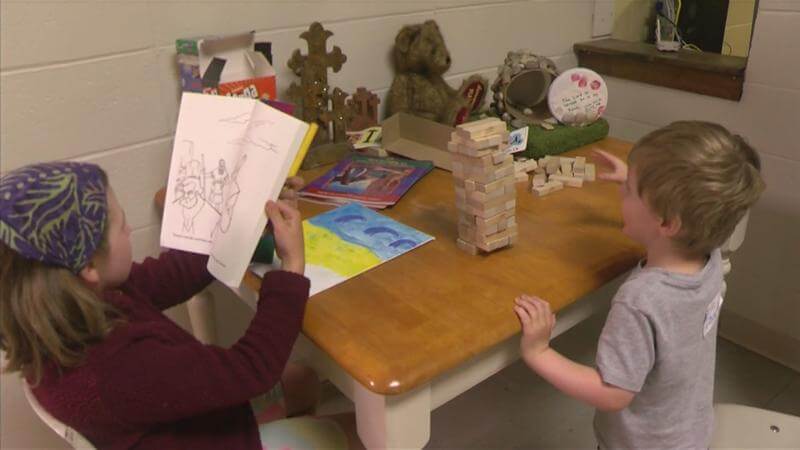
About 80 people, including Ada and Emma’s family, attend the Brighter Tomorrows monthly meetings where parents share their experiences in a support group, while children spend time playing together and making new friends.
The resources offered at Brighter Tomorrows continue to grow.
“A couple of years ago we established a new program called Tomorrows Chapter, and that was to support bereaved families that have lost a child to cancer,” said Canan.
It’s something close to her heart, after watching her son Will’s journey.
“He battled brain cancer for eight and a half years and passed away in October in 2012,” she said.
Having a community in Brighter Tomorrows helped her through.
“We would meet together every couple of weeks at different houses and have tea and coffee and cookies and continue to work on developing the organization and how we could help other people. We really wanted to not only support each other, but give back,” she said.
The families say that what she has given them is immeasurable.
“It actually makes me feel better, because it’s like those people have been through almost the exact same thing, so I don’t need to worry about being embarrassed,” said Emma.
“We can always connect to what each other are going through because siblings who have a sibling with cancer know how I am feeling, and people with cancer know how she’s feeling,” said Ada.
Those who want to support Brighter Tomorrows can sign up for the “Go for the Gold for Childhood Cancer Walk” on June 29. Proceeds from the walk will benefit the continued efforts of Brighter Tomorrows.